

One revenue, several sources
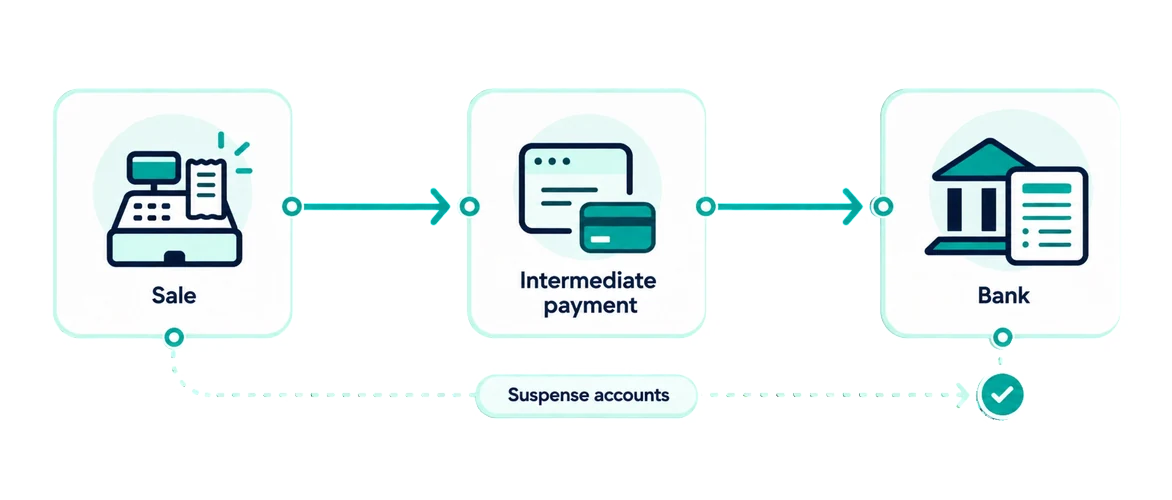
The sale is in the till or the shop, the money is with the intermediary, the cash is at the bank. Three places, one revenue: counting it twice distorts your results.
Connector module
Your business takes payments through several channels: till, online shop, transport platform, payment provider, bank. The connector gathers these sources, recognises revenue, commissions and fees, and prepares the journal entries.
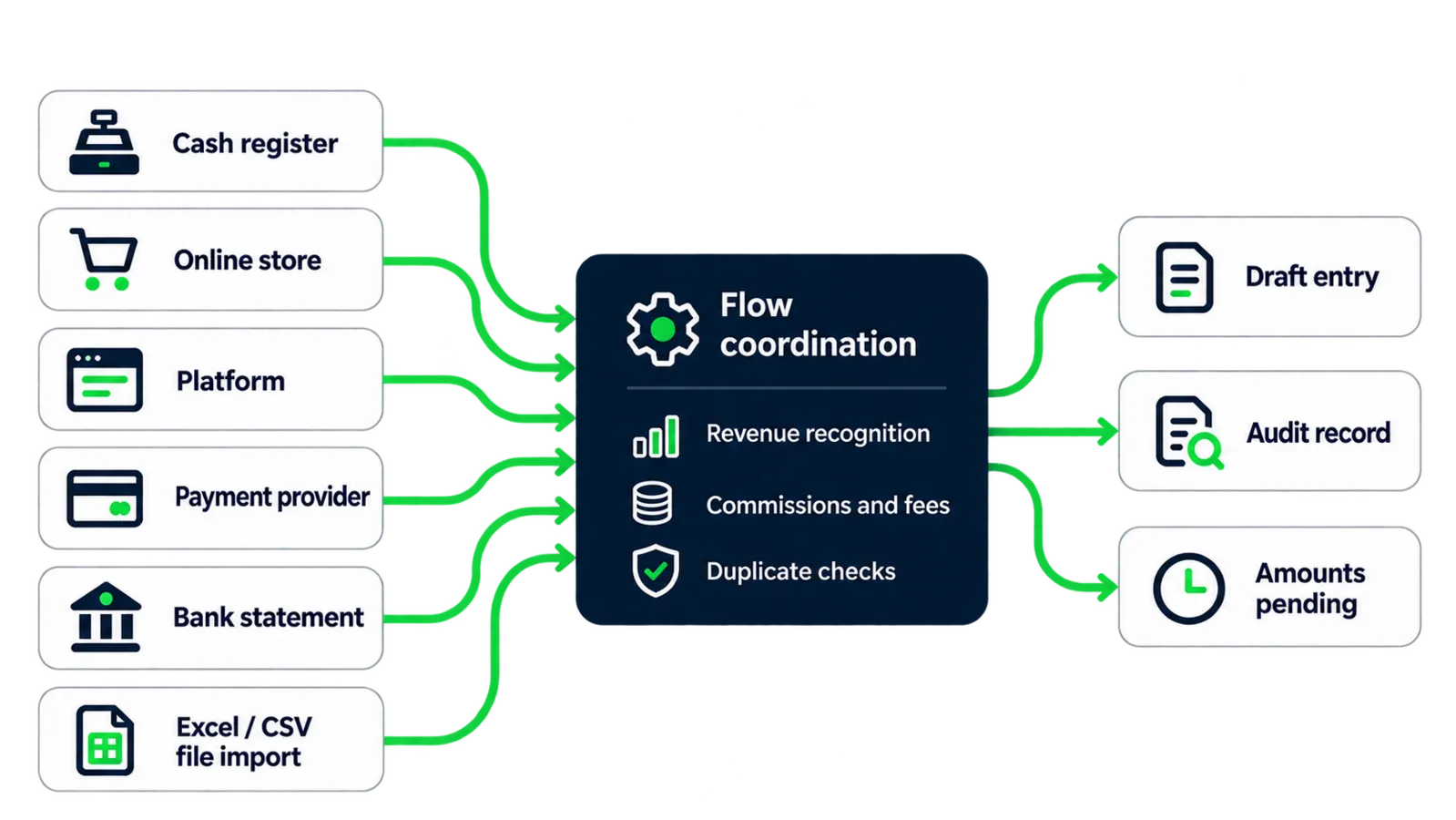
Switzerland: bank statements in ISO 20022 format (CAMT) are supported. A commission invoiced from abroad by a provider is treated with VAT on acquisition of services from abroad where your company is subject to it.
The sale is in the till or the shop, the money is with the intermediary, the cash is at the bank. Three places, one revenue: counting it twice distorts your results.
The platform or payment provider keeps its commission and pays you the rest. Turnover is the gross amount; the commission is an expense.
One transfer bundles dozens of sales, sometimes from several shops and several periods. Reconciling it by hand takes hours.
Pinnokio does not plug in "an application": it understands the role of each source. Five roles, five questions that are always the same, whatever the provider.
It holds the money. Its statement confirms that the chain is closed.
It collects on your behalf and pays out: payment provider, card acquirer, platform.
It is born at the sale: till, shop, platform statement.
Platform, payment and service fees.
Movements by warehouse or by shop.
You upload the Excel or CSV file from your tool (through chat, documents or email).
Pinnokio identifies the columns, accounts and VAT in your files, then submits its reading to you for approval.
Subsequent files are processed without AI, deterministically. The sales of a given period produce one aggregated draft journal entry, with an audit document that keeps the line-by-line detail.
The bank statement clears the pending amounts, identifier by identifier. Anything not yet collected stays visible in a tracker.
Until API connections arrive, file import does exactly the same job of recognising revenue, expenses, bank fees and the bank side.
Excel and CSV import
Sales and revenue with VAT, commissions and fees, tips, payouts, statements, stock. A multi-sheet workbook is read as a small graph: sales, payouts and commissions on different sheets. Open in early access.
Bank statements (CAMT, CSV, Excel)
Import with balance continuity check and human approval.
Direct API connections
Automatic retrieval at the frequency of your choice (day, week, month, quarter) from your platforms, tills and payment providers.
Expenses and expense reports from your tools
Company cards and spend management tools.
Revenue collected in advance
Gift vouchers, packages, tuition, overnight stays: revenue is recognised as the service is delivered.
These scenarios were tested on fictitious datasets. Each real flow is first learned on your own files, then approved with you.
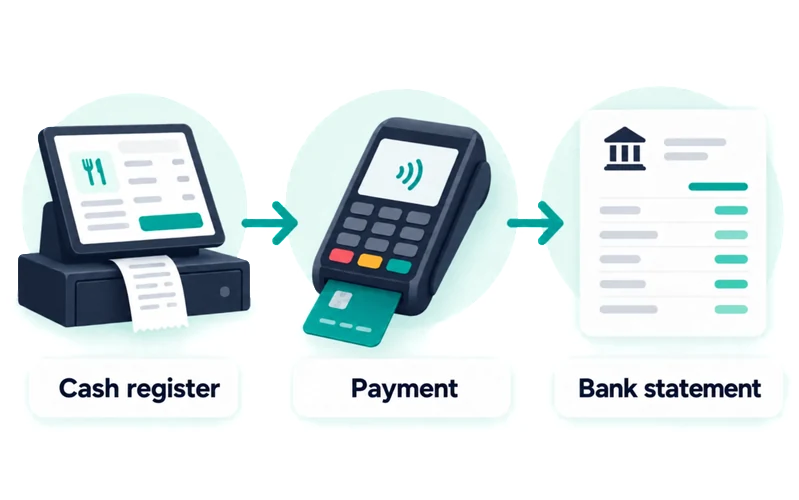
Cash goes to the till; cards go to a receivable from the acquirer, then to the bank. Two VAT rates per receipt, tips paid out separately. Without the acquirer's statement, card sales remain "declared, not recognised".
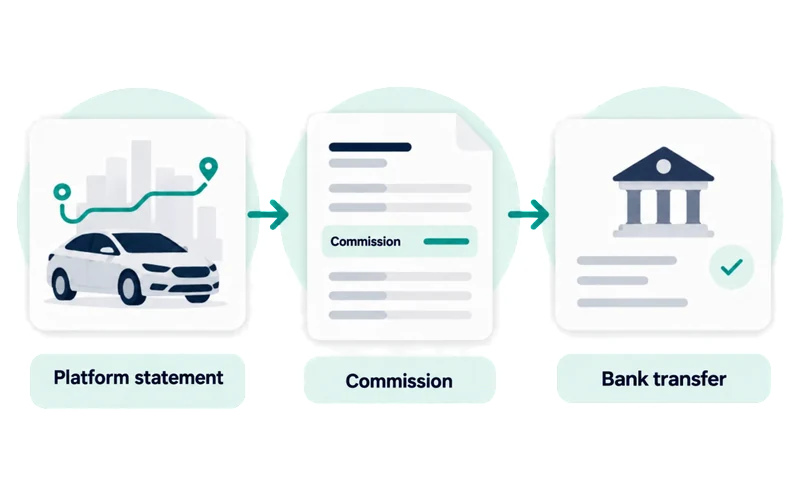
The platform is both revenue source and intermediary: the gross amount (rides, tips) is income, the commission is an expense, and the transfer is confirmed by the bank.
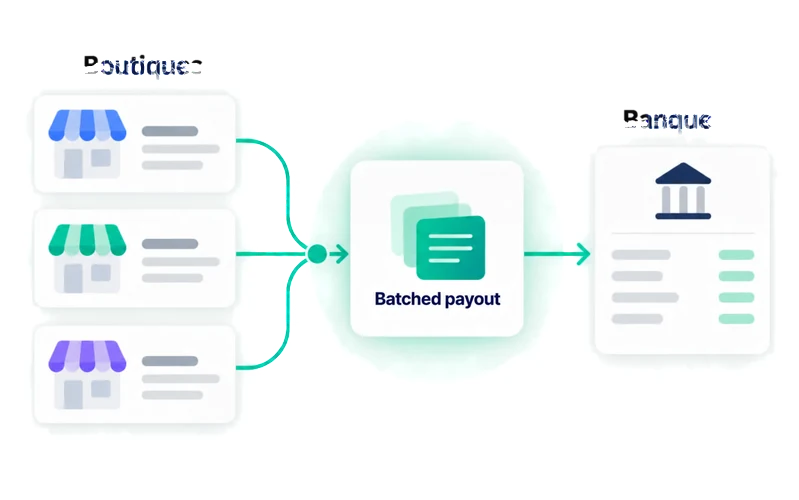
One payout mixes the orders of three shops: Pinnokio clears by order identifier and keeps stock by warehouse.
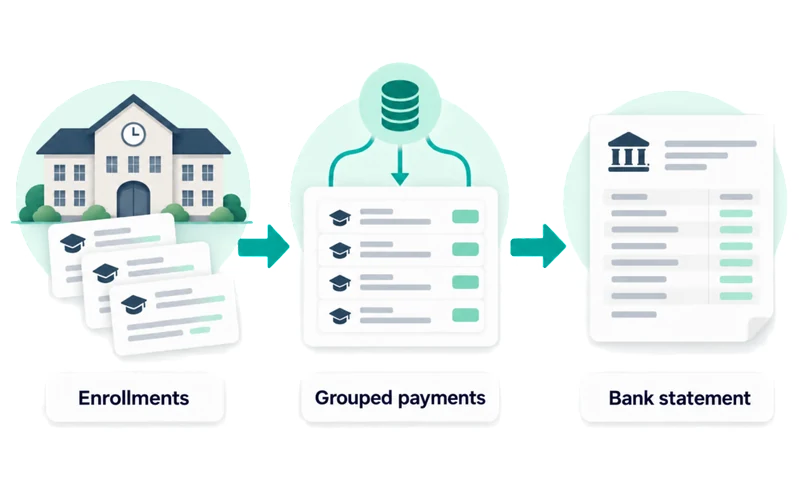
Receivables, deferred income and a schedule: revenue is recognised as the service is delivered.
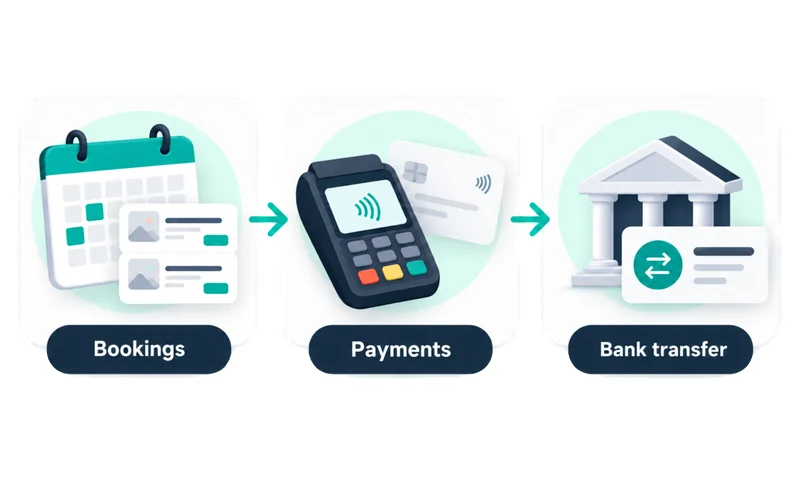
A pack collected in advance is recognised session by session.
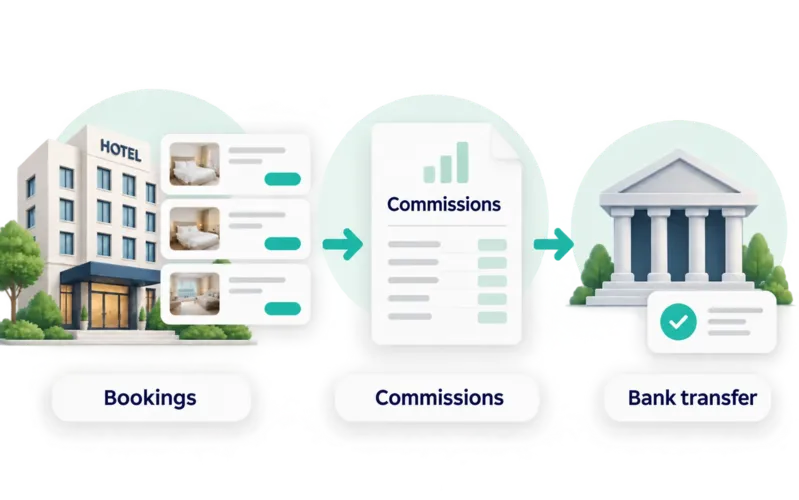
The platform is sometimes an intermediary, sometimes a supplier; the tourist tax is paid over to the municipality.
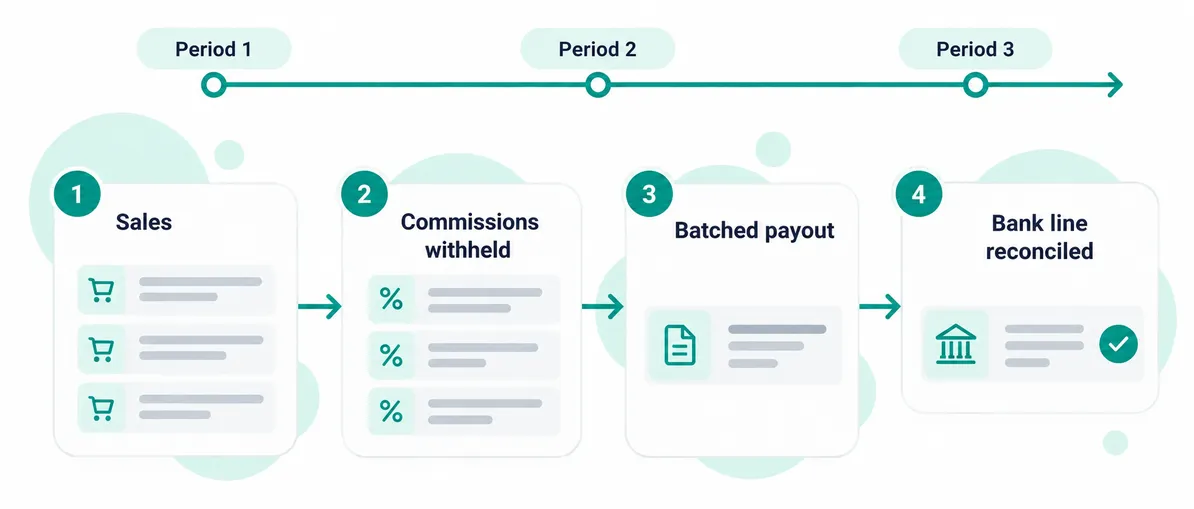
See revenue recognitionAn online business sells, the payment provider withholds its commissions and pays out a batched amount. The connector links the four and assigns each item to the right period.
Collecting is not always earning. A school that invoices in advance, a hotel that takes payment for a stay, a coach who sells a pack, a lawyer who receives a down payment: the money is at the bank, but it does not follow the same accounting rules. Depending on the case, it becomes revenue as the service is delivered, or stays on the balance sheet in the meantime.
The contract's cadence (recurring, milestone, usage-based, progress-based) sets when revenue is recognised.
See the contracts moduleSchool, hospitality, coaching, law firm, construction: each sector applies its own rules.
See the use case: when to recognise revenueA down payment or an amount collected in advance stays on the balance sheet until the service has been delivered.
The principle applies to any tool that can produce a tabular export. We do not claim to have already proven it in every sector: we learn the flow with you, on your files.
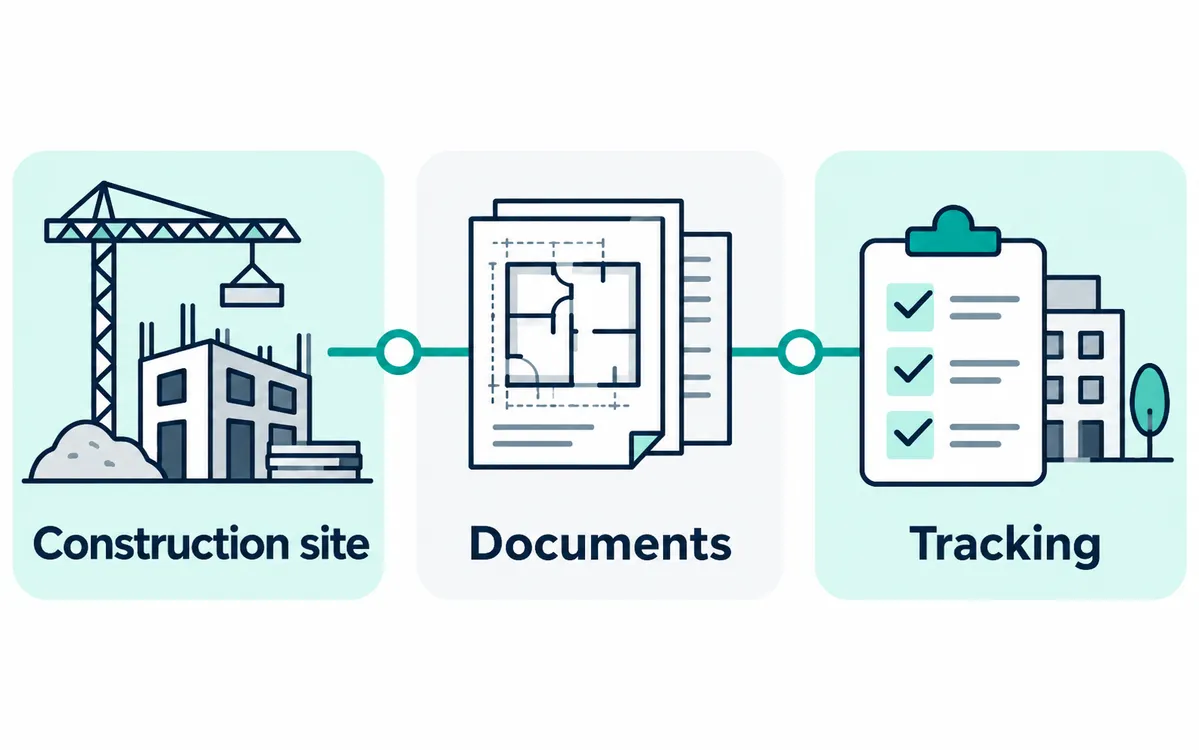
Your site or project management software exports its progress, hours or progress invoices: the connector turns them into journal entries and links them to the bank.
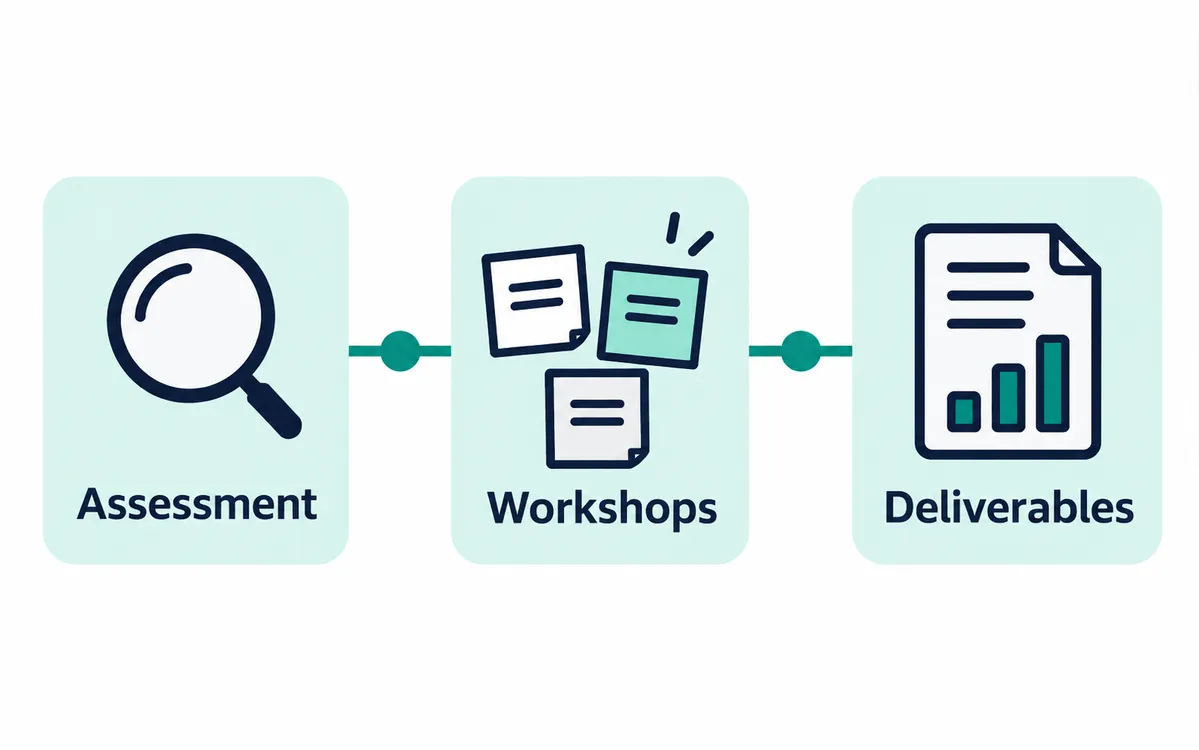
Fees, down payments and disbursements from your practice management tool reach the books with the right revenue treatment.
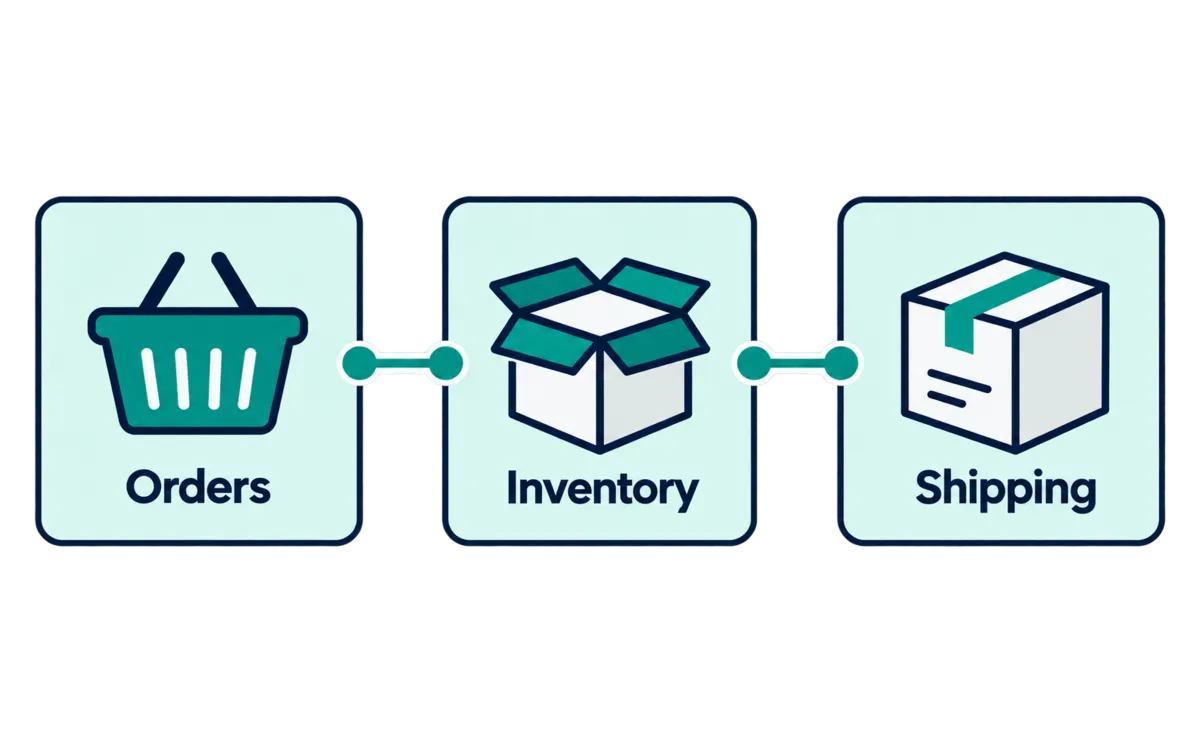
Marketplace commissions, recurring subscriptions, donations: flow families we have studied, to be confirmed case by case.
Each line receives a stable key. If two files overlap, the line is counted only once; a gap between two files is rejected.
Opening balance plus movements must equal the closing balance; otherwise the automatic import stops.
A revenue summary without VAT for a VAT-registered company triggers an alert or a block, which can be lifted with a traced reason.
An unbalanced entry is rejected. Everything goes out as a draft, for approval.
AI learns and adapts the flow; routine processing is deterministic and reproducible.
A PDF journal and a detail spreadsheet keep every source line.
It consolidates: one aggregated entry per period and per category, with the detail kept alive in the audit document. It does not create invoices, customers or orders, and it does not provision for your unpaid invoices: that decision stays with the fiduciary firm or the company.
Not yet. Direct API connections are planned. Today, you upload your tool's export in Excel or CSV format; Pinnokio learns the flow, then replays it and derives the journal entries. The work of recognising revenue, expenses and the bank side is the same.
It consolidates journal entries coming from several channels: you avoid re-keying your data in several places, counting a revenue twice, or reconciling batched payouts by hand.
It is open in early access. The published scenarios (restaurant, transport platform, online shops, school, coach, hotel) were validated on fictitious datasets; each real flow is learned and then approved with you before going live.
No. It handles revenue, commissions, fees and receipts; it does not create invoices, customers or orders.
The sale, the collection by the intermediary and the money received at the bank are three facts about one revenue. Pending amounts carry the timing gap and are cleared identifier by identifier when the bank statement arrives.
Pricing
You pay as you go, in credits, with no mandatory subscription. Here is the order of magnitude.
5'000 credits offered on sign-up, no credit card required.
A business situation, your tools, your rules: the demo starts from your reality.